Buy art-works.eu ?
We are moving the project
art-works.eu .
Are you interested in purchasing the domain
art-works.eu ?
domain@kv-gmbh.de · 0541-91531010
Buy art-works.eu ?
What is the origin or etymology of the puzzled expression Nani Nanu?
The expression "Nani Nanu" originates from the Japanese language. "Nani" means "what" in Japanese, while "Nanu" is a playful and informal way of saying "what" in some Japanese dialects. When used together, "Nani Nanu" is a whimsical and light-hearted way of expressing confusion or puzzlement. It has gained popularity in internet culture and among fans of Japanese media. **
What is the origin or etymology of the surprised expression "Nani Nanu"?
The expression "Nani Nanu" originates from Japanese and is commonly used to express surprise or disbelief. In Japanese, "nani" means "what," and "nanu" is a colloquial variation of "nanda," which means "is" or "what is." When combined, "Nani Nanu" essentially translates to "What is it?" or "What's going on?" and is often used in anime, manga, and Japanese pop culture to convey shock or astonishment. **

Similar search terms for Origin Etymology
Top-Angebote
Products related to Origin Etymology:
-
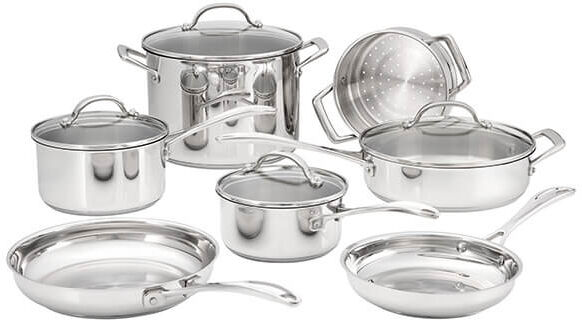
Stellar Origin 7 Piece Cookware SetThe Stellar Origin 7 Piece Cookware Set offers exceptional quality and versatility for your kitchen. Enjoy the benefits of durable materials and thoughtful design. This set includes: 16 and 18cm saucepans, a 24cm Saute, a 24cm Stockpot, 20 and 24cm Frying pans and a 18cm Steamer. Crafted from high-quality mirror-polished stainless steel, this cookware set features comfortable cast handles and heavy-duty bases for reliable performance. The vented glass lids allow you to monitor your cooking while keeping moisture in, making it suitable for all hob types and oven safe up to 240°C. Material: Stainless steel. 15-year guarantee.149,95 £*Shipping: 0,00 £Secure redirect to the provider
-
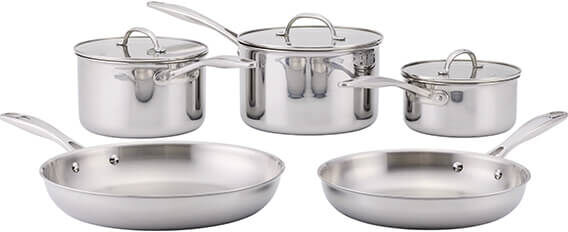
Stellar Origin 5 Piece Cookware SetExperience optimal cooking with Stellar Origin 5 Piece Cookware Set, designed to provide consistent results and enhance your culinary creations. This set includes: 16, 18 and 20cm Saucepans plus 24cm and 28cm Frying pans. This cookware features tri-ply construction that ensures even heat distribution, allowing your dishes to cook perfectly every time. The flat vented glass lids let you monitor your food without losing heat, while the riveted cast handles provide a secure grip for easy handling. Compatible with all hob types, this cookware is also oven safe up to 240°C, making it versatile for various cooking methods. Plus, it is dishwasher safe for effortless cleaning. Care instructions: Dishwasher safe. 10-year guarantee.124,95 £*Shipping: 0,00 £Secure redirect to the provider
-
Origin Guadua Green Bamboo Leaves WallpaperThis tranquil botanical design sports hidden glamour. Silhouettes of bamboo leaves flash silver in the light, a green-grey backdrop adding to the design's serenity. Guadua is an unpasted, non woven wallpaper.53,50 $*Shipping: 0,00 $Secure redirect to the provider
-
Dyson Supersonic Origin Hair Dryer - Black & NickelThe Dyson Supersonic Origin Hair Dryer in Black & Nickel pairs the Dyson digital motor V9 with Air Multiplier technology to produce a high-velocity airflow for fast drying and controlled styling. Intelligent heat control measures the airflow temperature more than 40 times a second to help protect hair from extreme heat. There are 4 heat settings and 3 speed settings, a cool shot to set your style, and ionic technology to help reduce static. The Supersonic Origin comes with a styling concentrator attachment for focused airflow and precise styling. In the box: Dyson Supersonic Origin Hair Dryer (Black & Nickel) and styling concentrator.293,99 £*Shipping: 0,00 £Secure redirect to the provider


-
What is the origin or etymology of the surprised expression Nani Nanu?
The expression "Nani Nanu" originates from Japanese and is commonly used in anime and manga to express surprise or confusion. In Japanese, "nani" means "what," and "nanu" is a playful variation of "nani" often used in informal speech. The combination of these two words creates a fun and exaggerated way to convey astonishment or disbelief in a lighthearted manner. **
-
What is the etymology of the Bavarian expression "mei," for example "ja mei"?
The Bavarian expression "mei" is a colloquialism that is derived from the German word "mein," which means "my" or "mine." It is often used as an exclamation or interjection to express surprise, frustration, or resignation. When combined with other words, such as "ja mei," it can convey a range of emotions depending on the context and tone of the speaker. The use of "mei" in Bavarian dialect reflects the region's unique linguistic heritage and cultural identity. **
-
What is the etymology of Turkish Pepper?
The term "Turkish Pepper" is believed to have originated from the use of a specific type of pepper called "Urfa biber" in Turkish cuisine. Urfa biber is a dried red pepper that is grown in the Urfa region of Turkey and is known for its smoky, earthy flavor with a mild heat. The name "Turkish Pepper" likely refers to the origin of this specific type of pepper and its association with Turkish cuisine. **
-
What is the etymology of the word Funk?
The word "funk" originated in the late 17th century, derived from the French word "fumet," meaning "smell" or "vapor." It was initially used to describe a strong, musty smell. Over time, the term evolved to describe a style of music characterized by a strong rhythmic groove and soulful vocals, popularized in the 1960s and 1970s. Today, "funk" is associated with a genre of music that blends elements of soul, jazz, and rhythm and blues. **

What is the etymology of the word Hexe?
The word "Hexe" comes from the Old High German word "hagazussa," which means "witch." This word is derived from the Middle High German "hag," meaning "hedge," and "zussa," meaning "sitting." The term "hagazussa" originally referred to a female magician or sorceress who was believed to have the ability to ride on the backs of animals and perform magical spells. Over time, the word evolved into "Hexe" in modern German. **
What is the etymology of the term "Blutblüte"?
The term "Blutblüte" is of German origin. It is a compound word made up of "Blut" meaning blood and "Blüte" meaning bloom or blossom. When combined, "Blutblüte" refers to the blooming or flourishing of blood, often used metaphorically to describe a period of violence or bloodshed. **
Top-Angebote
Products related to Origin Etymology:
-
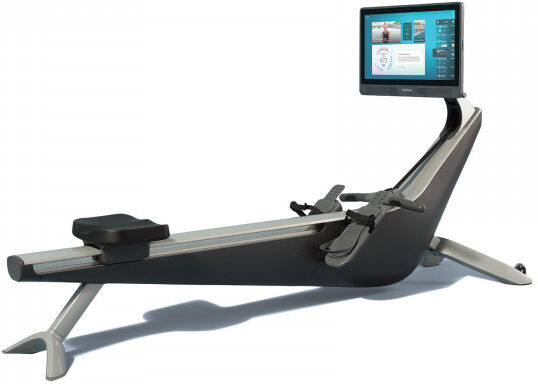
Hydrow Origin Rower NewROWING AT ITS PUREST The Hydrow Origin is the rower that started it all. It’s the classic model in the Hydrow range, simple in look but big on giving you that authentic feel of rowing on water. Every stroke comes through the patented electromagnetic drag system, so it feels smooth and natural. On...1515,00 £*Shipping: 0,00 £Secure redirect to the provider
-
Stellar Origin 7 Piece Cookware SetThe Stellar Origin 7 Piece Cookware Set offers exceptional quality and versatility for your kitchen. Enjoy the benefits of durable materials and thoughtful design. This set includes: 16 and 18cm saucepans, a 24cm Saute, a 24cm Stockpot, 20 and 24cm Frying pans and a 18cm Steamer. Crafted from high-quality mirror-polished stainless steel, this cookware set features comfortable cast handles and heavy-duty bases for reliable performance. The vented glass lids allow you to monitor your cooking while keeping moisture in, making it suitable for all hob types and oven safe up to 240°C. Material: Stainless steel. 15-year guarantee.149,95 £*Shipping: 0,00 £Secure redirect to the provider
-
Stellar Origin 5 Piece Cookware SetExperience optimal cooking with Stellar Origin 5 Piece Cookware Set, designed to provide consistent results and enhance your culinary creations. This set includes: 16, 18 and 20cm Saucepans plus 24cm and 28cm Frying pans. This cookware features tri-ply construction that ensures even heat distribution, allowing your dishes to cook perfectly every time. The flat vented glass lids let you monitor your food without losing heat, while the riveted cast handles provide a secure grip for easy handling. Compatible with all hob types, this cookware is also oven safe up to 240°C, making it versatile for various cooking methods. Plus, it is dishwasher safe for effortless cleaning. Care instructions: Dishwasher safe. 10-year guarantee.124,95 £*Shipping: 0,00 £Secure redirect to the provider
-
What is the origin or etymology of the puzzled expression Nani Nanu?
The expression "Nani Nanu" originates from the Japanese language. "Nani" means "what" in Japanese, while "Nanu" is a playful and informal way of saying "what" in some Japanese dialects. When used together, "Nani Nanu" is a whimsical and light-hearted way of expressing confusion or puzzlement. It has gained popularity in internet culture and among fans of Japanese media. **
-
What is the origin or etymology of the surprised expression "Nani Nanu"?
The expression "Nani Nanu" originates from Japanese and is commonly used to express surprise or disbelief. In Japanese, "nani" means "what," and "nanu" is a colloquial variation of "nanda," which means "is" or "what is." When combined, "Nani Nanu" essentially translates to "What is it?" or "What's going on?" and is often used in anime, manga, and Japanese pop culture to convey shock or astonishment. **
-
What is the origin or etymology of the surprised expression Nani Nanu?
The expression "Nani Nanu" originates from Japanese and is commonly used in anime and manga to express surprise or confusion. In Japanese, "nani" means "what," and "nanu" is a playful variation of "nani" often used in informal speech. The combination of these two words creates a fun and exaggerated way to convey astonishment or disbelief in a lighthearted manner. **
-
What is the etymology of the Bavarian expression "mei," for example "ja mei"?
The Bavarian expression "mei" is a colloquialism that is derived from the German word "mein," which means "my" or "mine." It is often used as an exclamation or interjection to express surprise, frustration, or resignation. When combined with other words, such as "ja mei," it can convey a range of emotions depending on the context and tone of the speaker. The use of "mei" in Bavarian dialect reflects the region's unique linguistic heritage and cultural identity. **
Similar search terms for Origin Etymology
-
Origin Guadua Green Bamboo Leaves WallpaperThis tranquil botanical design sports hidden glamour. Silhouettes of bamboo leaves flash silver in the light, a green-grey backdrop adding to the design's serenity. Guadua is an unpasted, non woven wallpaper.53,50 $*Shipping: 0,00 $Secure redirect to the provider
-
Dyson Supersonic Origin Hair Dryer - Black & NickelThe Dyson Supersonic Origin Hair Dryer in Black & Nickel pairs the Dyson digital motor V9 with Air Multiplier technology to produce a high-velocity airflow for fast drying and controlled styling. Intelligent heat control measures the airflow temperature more than 40 times a second to help protect hair from extreme heat. There are 4 heat settings and 3 speed settings, a cool shot to set your style, and ionic technology to help reduce static. The Supersonic Origin comes with a styling concentrator attachment for focused airflow and precise styling. In the box: Dyson Supersonic Origin Hair Dryer (Black & Nickel) and styling concentrator.293,99 £*Shipping: 0,00 £Secure redirect to the provider
-
Origin USB Triple 4K Docking Station - BlackDescription The Origin USB Triple 4K Docking Station is designed for users seeking to enhance their workspace with advanced connectivity options. It allows for efficient work by enabling the connection of 4K displays without compromising performance. The docking station is equipped with both USB-C and USB 3.0 connectivity, and offers power delivery of up to 60W to charge your laptop while in use. Additionally, it features a K-Lock function for optimal security, ensuring your devices remain safe. Compatible with both Windows and Mac systems, this docking station is versatile and user-friendly. An essential addition for anyone looking to streamline their workspace and improve productivity.162,99 £*Shipping: 0,00 £Secure redirect to the provider
-
What is the etymology of Turkish Pepper?
The term "Turkish Pepper" is believed to have originated from the use of a specific type of pepper called "Urfa biber" in Turkish cuisine. Urfa biber is a dried red pepper that is grown in the Urfa region of Turkey and is known for its smoky, earthy flavor with a mild heat. The name "Turkish Pepper" likely refers to the origin of this specific type of pepper and its association with Turkish cuisine. **
-
What is the etymology of the word Funk?
The word "funk" originated in the late 17th century, derived from the French word "fumet," meaning "smell" or "vapor." It was initially used to describe a strong, musty smell. Over time, the term evolved to describe a style of music characterized by a strong rhythmic groove and soulful vocals, popularized in the 1960s and 1970s. Today, "funk" is associated with a genre of music that blends elements of soul, jazz, and rhythm and blues. **
-
What is the etymology of the word Hexe?
The word "Hexe" comes from the Old High German word "hagazussa," which means "witch." This word is derived from the Middle High German "hag," meaning "hedge," and "zussa," meaning "sitting." The term "hagazussa" originally referred to a female magician or sorceress who was believed to have the ability to ride on the backs of animals and perform magical spells. Over time, the word evolved into "Hexe" in modern German. **
-
What is the etymology of the term "Blutblüte"?
The term "Blutblüte" is of German origin. It is a compound word made up of "Blut" meaning blood and "Blüte" meaning bloom or blossom. When combined, "Blutblüte" refers to the blooming or flourishing of blood, often used metaphorically to describe a period of violence or bloodshed. **
* All prices are inclusive of VAT and, if applicable, plus shipping costs. The offer information is based on the details provided by the respective shop and is updated through automated processes. Real-time updates do not occur, so deviations can occur in individual cases. ** Note: Parts of this content were created by AI.